
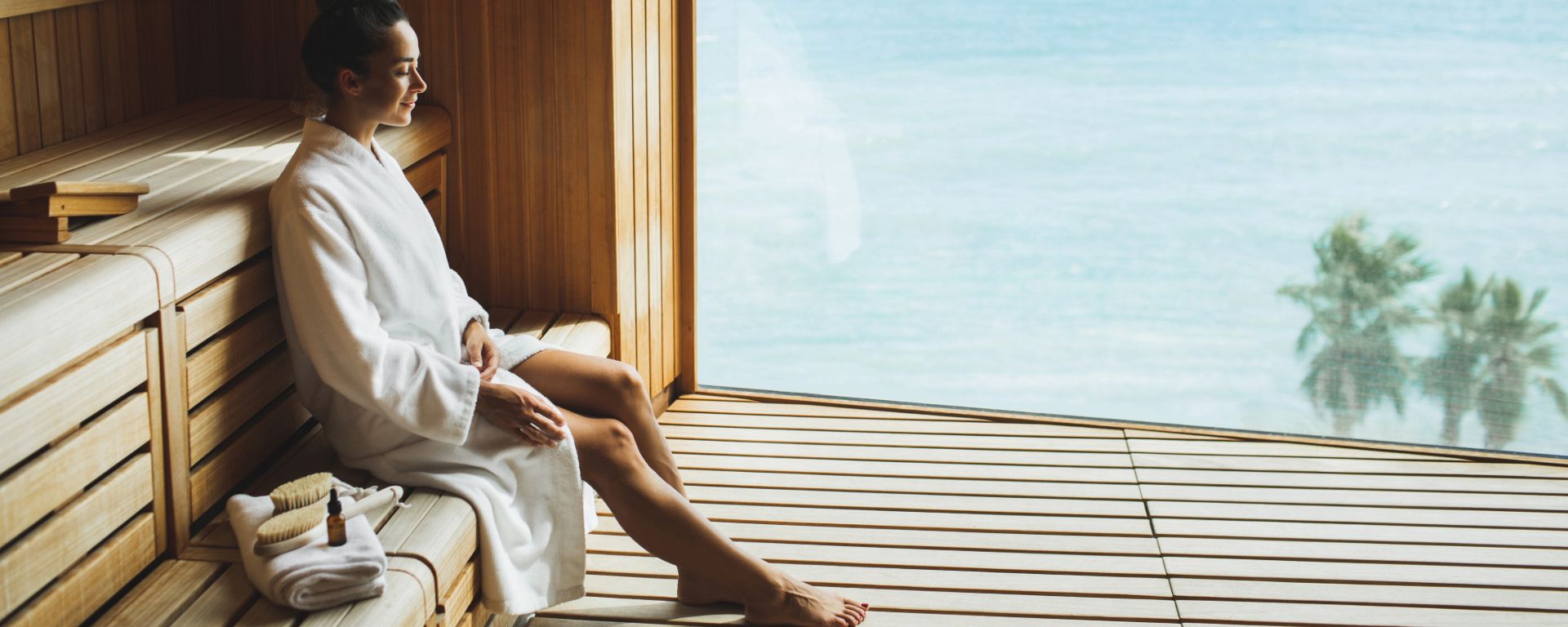
Isn’t it curious that a space dedicated to the art of relaxation and wellbeing can inspire such nerves in first-time visitors? We’ve all been there, to some degree. The soft lighting, the clouds of steam, the unknown etiquettes and sweating it out amongst strangers… So let’s break it down and go back to the basics. What even is a spa? What do you do in a spa? And what do you pack for a spa day? All this, and more, answered – because we all deserve a pampering once in a while.
Whether you’re booking a spa retreat in the countryside, an urban wellness escape in a fancy hotel, or booking in for a long-overdue massage, understanding how it all works and what to expect will help you amplify the restorative qualities of your spa experience. Here’s your full spa digest, so you can turn that doubt into the relaxation experience you deserve.
The First-Timer’s Protocol: What Is a Spa?
A modern-day spa is a space focussed on wellness, designed to promote relaxation, offer health benefits and self care. There’s a range of traditions and facilities that each capture differing atmospheres and focusses, so spending time finding the right one for you can make the experience all-the-more rewarding. Whether you go classic with a Turkish Hammam or Russian Banya, head for an intimate boutique spa or luxe retreat, the goal is the same: to leave feeling utterly revitalised.
If you’re wondering what you do in a spa, thankfully most spa days follow the same gentle rhythm. You’ll book your entry, slip into your robe, and have access to the facilities at your leisure. This can include thermal pools, steam rooms and saunas, chill out areas with refreshments, cold plunges and more. The general idea at traditional spas is to open your pores in the hot rooms, then take a cold plunge and rest. Repeat this a number of times and your body will start to really relax.
Beyond this you’ll be able to book further treatments. The range can be wide, from full body scrubs, facials, massages and aromatherapy treatments. These complement the hot rooms and pools for total revitalisation, and focus in on areas that you may feel need a bit of extra care.
Staff are on hand to help, and are worth asking questions to so you can make the most of the facilities on offer.
Best for: Relaxation like you may never have experienced before
Secret tip: Arrive at least 45 minutes early to fully enjoy the spa facilities before your treatment begins
Suiting Up: What to Wear and What to Pack
The question of what to wear in a spa needn’t fill one with dread; spa dress codes are far more relaxed than people imagine. Most spas provide robes, towels and slippers on arrival – though it’s always worth checking beforehand. Underneath your robe, swimwear is required for communal facilities, and for private treatments like massages or body scrubs, therapists will provide towels for draping and ensure your privacy and comfort at all times.
Here’s the rundown. For a spa day, simplicity is key. Essentials usually include:
- Swimwear
- Comfortable clothing
- Sandals or flip-flops
- Hairbrush and skincare basics
- Water bottle
- Lightweight gymwear if fitness classes are included
If you’re packing for a longer spa weekend, consider adding:
- Multiple swimsuits
- Evening loungewear
- A good book or journal
- Face masks or personal skincare favourites
- Walking shoes for countryside spa retreats
While luxury spas provide many amenities, packing thoughtfully can make the experience feel considerably smoother and more indulgent.
Secret tip: Bring a spare swimsuit – changing into a dry one between treatments feels surprisingly luxurious.
Menu Mastery: What to Do in a Spa
So you’ve booked your entry and now you’re faced with a dazzling menu of treatments and experiences… But what do they all mean? And how many should you book? Focus your attention on how you want to feel afterwards, be it energised, rested, or rebalanced, and find the treatments that will work for you.
A typical spa day may include:
- A massage or facial
- Time in the sauna or steam room
- Hydrotherapy pools or hot tubs
- Relaxation lounges
- A light bite
- Fitness or yoga classes
- Meditation sessions
For first-timers booking a massage and wondering how long your massage should be, a good hour will get the most out of the experience. It gives you enough time to fully relax without feeling overwhelmed, and allows time to explore the other facilities and treatments. When it comes to type of massage, opt for something like a Swedish massage or aromatherapy massage as these can be a better introduction to the experience. Diving straight into deep tissue or something else intensive is perhaps best saved for a return trip. You’ll soon become an expert as to what works best for you!
A key part of spa culture is pacing. The most luxurious experiences rarely involve rushing from one treatment to the next. Even a single booked treatment allows the right pacing to enjoy everything the spa has to offer without introducing tight schedules or time pressures. The focus is on slowing down and allowing the body to settle gradually into rest.
Best for: Unlocking your personal wellness journey
Secret tip: Avoid scheduling multiple intensive treatments back-to-back – relaxation works best with space in between.
The Prenatal Glow: What Can You Do in a Spa When Pregnant?
Heading for a rejuvenating spa day certainly isn’t out of bounds when pregnant – a time where a bit of me-time is most deserved. When approached thoughtfully, pregnancy and spa experiences pair up beautifully. So if you’re wondering what prenatal mothers can experience in the spa, the answer is: quite a lot – with the right guidance. Read on for our full advice, including what to avoid.
Many spas now offer dedicated prenatal wellness experiences designed specifically for pregnancy. These may include:
- Pregnancy-safe massages
- Gentle facials
- Relaxation lounges
- Maternity yoga
- Foot rituals and light therapies
Prenatal massage is particularly popular, helping to ease lower back tension, swollen legs and fatigue. Treatments are usually adapted carefully with specialist cushions and side-lying positions to ensure comfort and safety.
However, it is important to note that certain spa facilities may be restricted during pregnancy. Always check with your midwifery team, and absolutely avoid high-heat environments such as saunas, steam rooms and any water over 35c. Pregnancy-safe massages should also be avoided during your first trimester, though gentle facials, manicures and pedicures are great alternatives. Before booking, always check that therapists are certified in prenatal treatments and inform the spa about your pregnancy in advance.
Secret tip: Midweek prenatal spa visits are often quieter and more peaceful than weekend sessions.
FAQs
What do you wear during a full-body massage?
Dress – or rather undress – to your comfort level. Typically a towel is provided as a drape, and it’s always worth asking the therapist what they recommend. Underwear or fully nude is typical depending on house policy.
Do I need to bring my own robe and towels?
Spas typically provide guests with robes, towels and slippers, but it’s always worth checking the website or phoning ahead.
What should I pack for a spa weekend vs. a day trip?
For a spa day, bring swimwear. For a weekend stay, add a second swimsuit, evening clothes and your preferred toiletries.
Is it okay to use my phone in relaxation areas?
Phones are usually discouraged in quiet relaxation spaces, especially for calls, videos or taking photos around other guests.
How much should I tip my therapist in 2026?
In the UK, around 10% or £5–£15 per treatment is appreciated but optional, while US spas typically expect 18–25%.
Discover Secret Escapes’ Handpicked Spa Deals
Indulge mind, body and soul at the spa with Secret Escapes’ outrageously bookable deals.
For more travel advice and inspiration, deep dive further into the Escapist magazine, or get in touch for more information on our outrageously bookable deals.