
Spain generally tops the charts when it comes to popular Mediterranean holiday hotspots. Whether you are looking for an exciting city break, a relaxing sunny holiday or a culinary tour across the country, Spain is an indisputable candidate.
Deciding on which part of the country is a difficult decision to make (although one we’d all like to have), as they are all fascinating and varied in equal measure! We’re here to inspire your next sojourn across Spain and give a little more insight into the seven sun-drenched regions of the country.

Best Regions for Foodies in Spain
Basque Country
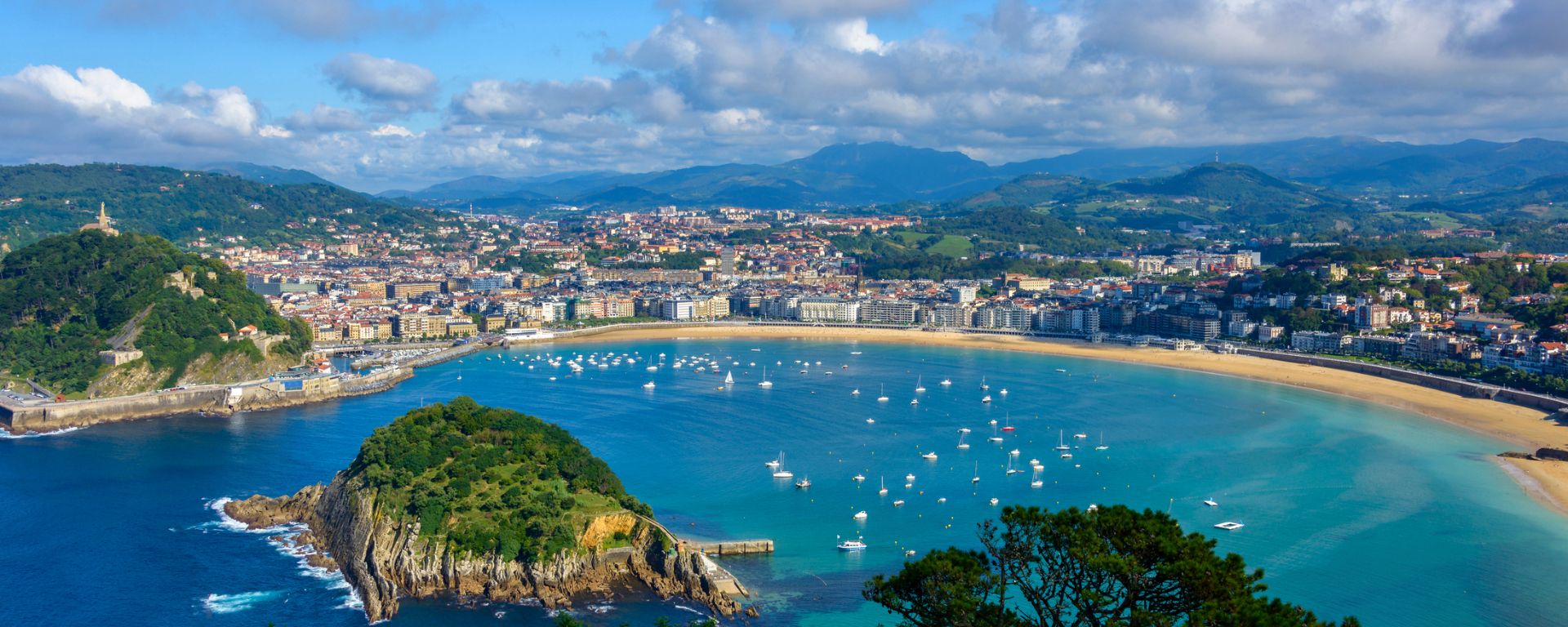
Dramatic mountain landscapes, lush greenery, and perfect surf, together with exciting history, culture and gastronomy, have made the Basque region a favourite among both international visitors and locals alike. The area’s two metropolises are Bilbao, the de facto capital of the region, combining modern architecture with the charm of its old town, and San Sebastián, an incredible coastal city renowned for its world-class culinary scene.

Here you’ll find five-star catering alongside local hole-in-the-wall-style eateries that deliver some of the finest fare in all of Spain. In fact, the Basque Country boasts having the most Michelin stars per capita. The Basque region is also known for its small dishes, pintxos, which are the local variant of tapas. Two traditional pintxos that come highly recommended are bacalao (cod) in tomato sauce and anchoas jardineras (anchovies).

Catalonia
Located in northeastern Spain, Catalonia is a unique region known for its distinct language (Catalan) and culture. It is home to beautiful vineyards, the Pyrénées mountain ranges, and endless strips of the breathtaking Costa Brava coastline, as well as Barcelona, the region’s capital.
During your stay here, don’t miss the opportunity to sample some authentic Catalan cuisine. Among the more famous dishes can be counted the breakfast favourite, pan a la catalana, which is bread topped with tomatoes (and sometimes olive oil, ham, and garlic). Catalans love their desserts, especially the local crème catalana (a version of crème brûlée), which is an excellent end to dinner, especially when paired with a strong coffee.

Valencia
Valencia is known for many things, but perhaps most famously for being the birthplace of Paella – one of Spain’s most popular national dishes. It is the country’s third-largest city, with a thriving cultural scene, futuristic buildings, world-class museums, and vibrant nightlife. Alicante is perhaps better known for sun and swimming, but it can, like Valencia, attract architectural buffs with the castle Castillo de Santa Bárbara, which towers high above the city. If you’re beginning to lag after a day of sightseeing, we recommend that you try turrón – a local cake with honey and nuts – for an instant pick-me-up.
Granada
Granada is a scenic historic city in Andalusia, which boasts the best tapas culture in the country. Here, ordering a drink gets you a free, generously served plate of food. After you’ve eaten and drunk your fill, take a stroll around the city to visit the Alhambra, a UNESCO World Heritage Site and one of Europe’s premier examples of Islamic architecture, and the whitewashed streets of the Albaicín District.
The Moorish South: Andalusia
Spain’s southernmost region, Andalusia, is home to the Costa del Sol and is a wonderful melting pot of Spanish and North African culture. Here you can experience fiery Flamenco dancing, taste delicious tapas and enjoy traditional hammam baths. The region consists of exceptional surroundings, including snow-capped mountains and kilometres of beaches. Here you’ll find the cities of Malaga, Seville and Granada, all of which have their own distinctive character.

Best Regions for Art Lovers
Madrid
Spain’s capital and largest city, Madrid, has for centuries been marked by the country’s monarchist culture and displays an impressive collection of palaces, cathedrals, outstanding architecture and world-famous art museums as well as fantastic shopping and exciting nightlife. It houses the ‘Golden Triangle of Art’, which refers to three world-class art museums, the Prado, Reina Sofía, and Thyssen-Bornemisza, located in close proximity along the Paseo del Prado. You won’t even need to enter a gallery to marvel at art collections; the city is littered with phenomenal street art and murals.
A must during your stay in Madrid is to experience a door-to-door tapas tour at any number of bars throughout the city, which are open well after midnight (we recommend the cosy area of La Latina). If you want to dance off some of that amazing grub, we can recommend the areas of Chueca and Malasaña for all-night partying, the latter of which is one of Madrid’s hippest, with many vintage shops and chic bars. If you’re in need of a break from the jungle metropolis, take some time to recharge at the green oasis Parc Casa de Campo.

Barcelona
Barcelona is also a global art capital, blending world-class Romanesque, Gothic, and Catalan Modernisme architecture, especially Antoni Gaudí’s works, namely the Sagrada Familia, the largest unfinished Catholic church in the world. The city is a treasure trove of culture, with a rich history evidenced by its labyrinthine Gothic Quarter and the bustling La Rambla boulevard.
Beyond Gaudí, the city boasts museums dedicated to other artistic giants, most notably the Picasso Museum, which holds one of the most extensive collections of his early works. Did you know that the city was once asked if it could house the Eiffel Tower? Barcelona said no on the grounds that it would not blend into the city’s cityscape.
Cuenca
Cuenca is famous for its ‘hanging houses’ (casas colgadas), which jut out precariously over the Huécar gorge. This small, medieval city in the Castile-La Mancha region is home to the Museum of Abstract Art, housed inside one of these famous structures, and the spectacular Gothic cathedral. A UNESCO World Heritage Site, Cuenca offers a step back in time with its narrow, winding streets and stunning natural surroundings, making it a hidden gem for visitors seeking culture beyond the major metropolises.
Warmest Place in Spain in Winter
If you’re looking to get away from the cold and celebrate Christmas in the sun, Spain’s two archipelagos offer pleasant weather year-round, as well as stunning beaches, lively resorts and nightlife.

Balearic Islands
The Balearic archipelago is located in the middle of the Mediterranean Sea and consists of Formentera, Menorca, Ibiza and Mallorca. In winter, the islands offer mild weather, often ranging between 15ºC and 17ºC during daytime, with cooler evenings.
Ibiza offers scenic experiences with beautiful green areas and lovely coves, far away from the party scene at Playa d’en Bossa. Mallorca delivers a blend of bustling nightlife and stunning nature – the island has a hilly landscape with green olive groves, vineyards and red poppy fields that are perfect for scenic hiking trips.
The Balearic Islands are family-friendly, but there are also many adults-only hotels. On the food front, those with a sweet tooth are in for a treat. Buñuelos are a type of small doughnut and can be bought everywhere on the island, as well as the traditional Mallorcan pastry, ensaïmadas, which locals often have for breakfast. Be sure to also try the local paella.
Canary Islands
Located off the West African coast, the Canary Islands attract millions of tourists every year with beautiful beaches, scenic surroundings and a wonderfully warm climate. In winter, the temperature averages between 19ºC and 24ºC, making it an ideal location for winter sun.
Tenerife is the most visited of the islands, closely followed by Lanzarote, Gran Canaria, and Fuerteventura. On Tenerife, you’ll find Spain’s still active volcano, Teide, which is 3,718 metres high and the World Heritage-listed Teide National Park, which is the most visited national park in Europe.
The Canary Islands attract visitors from all over the world, which is reflected in the restaurants’ menus, which are often more international than typically Spanish. If you are curious about the regional food, try the classic Conejo al salmorejo, which is a rich rabbit stew, and the dessert bienmesabe, which is a cake made of almonds and honey.

Discover the Best Areas of Spain to Visit with Secret Escapes
Secret Escapes offers incredible deals on holidays to Spain so you can enjoy your dream Iberian getaway at a fraction of the price. From discounts on luxury 5-star hotels to beach resorts and all-inclusive holiday packages, our outrageous deals allow you to have those ‘pinch yourself’ holidays without penny-pinching.
For more travel advice and inspiration, deep dive further into the Escapist magazine or get in touch for more information.


