
Famously coined “the land of ice and fire”, Iceland is a destination that has to be seen to be believed. As age-old myths whisper through untamed tides and life’s splendour soars through roaring geysers and cascading waterfalls, Iceland stuns with surreal surprises at every glacial corner, many of which will leave your eyes wide and your camera roll packed to the brim.
With what seems like an endless array of bucket-list sights, planning a trip to this epic wonderland can often leave visitors feeling confused about where to start. Enter our ultimate Iceland guide: the ideal, no-fuss travel companion you’ve been looking for.
Unpacking Iceland
Reykjavík

At the heart of it all lies Reykjavík, the country’s charming capital. A compact, contemporary city brimming with gems, from charming boutiques to the striking Hallgrimskirkja Cathedral, Reykjavík is a cosy hub where many Icelandic adventures begin; it’s a fantastic base for heading off on unforgettable excursions.
The Golden Circle

A popular 300-kilometre-long tourist route from Reykjavík and back, the Golden Circle stuns with its stellar cluster of some of the country’s most iconic sights, from the roaring Gullfoss waterfall to the thrilling Geysir – erupting with steam into the sky.
Reykjanes Peninsula

Straddling the North American and Eurasian tectonic plates, the Reykjanes Peninsula is home to all things geological activity. Boasting famed attractions – think the healing waters of the Blue Lagoon or the moss-covered rocks of volcanic lava fields – many liken this region to a lunar landscape. And for good reason: due to its geological conditions, NASA’s Apollo astronauts actually trained here in the 1960s for the Moon landings.
The North

With the city of Akureyri as its anchor, North Iceland promises marvels of both science and nature. There are two of the country’s most famous waterfalls on the 250-kilometre-long Diamond Circle loop alone, plus the spectacular Lake Myvatn, which stuns with its rich wildlife and thermal baths, and more. Pair this with the lush greenery of the Eyjafjörður fjord and the otherworldly geothermal area of Námaskarð and you’ve got yourself a captivating region spearheaded by striking contrasts.
The South

The most “fire and ice” region of them all, Iceland’s south is popular with tourists – and it’s clear why. With impressive waterfalls like Skógafoss and Seljalandsfoss on its roster, as well as Reynisfjara’s black-sand beaches and Jökulsárlón Glacier Lagoon – Iceland’s deepest body of water – the south has it all.
The Westfjords

Set in the country’s northwestern corner, this expansive peninsula is as remote as it gets, connected to the mainland by a mere seven-kilometre strip of land. With this poetic isolation comes distinct beauty; pair sights like Dynjandi waterfall with the Westfjord’s air of solitude, and look forward to a moment of peace and quiet unlike any other.
The Eastfjords

Less travelled, but nowhere near less captivating, Iceland’s Eastfjords sit on the country’s eastern coast and harbour a unique, local charm. Mountains frame deep fjords as quaint, colourful fishing villages flank dramatic backdrops. Wild reindeer also roam free here, and it would not be uncommon to overhear the telling of an elves-focused tale or two, making for a magical part of this already captivating country.
When is the best time to visit Iceland?
They say if the weather’s bad in Iceland, just wait five minutes. With a climate as turbulent as its unearthly landscapes, pinpointing the best time of year to visit can be a tricky feat. While beautiful year-round, the best time to visit ultimately depends upon what kind of Icelandic adventure you’re seeking.

Hvammsvik Hot Springs, near Reykjavík, Iceland. Credit: Reykjavík Excursions by Icelandia
If whale-watching is on your wish list, a trip between May and September will be your best bet, though many tours run from April to October. If catching a glimpse of rare Orcas is the goal, pencil in a visit to the West Coast in the months of January to March. Summer is always a good idea, with its long days, warmer weather, hiking-friendly dry land, and the Midnight Sun which grants nearly 24 hours of daylight around the summer solstice in June.
And if it’s the mesmerising Aurora Borealis that you’re chasing, the optimal viewing season runs from September to mid-April. A holiday to Iceland in the deep winter (November to March) offers the longest, darkest nights, but the shoulder months of September and October offer excellent chances too.
Finding the right trip for you
Best for first timers
If it is your first time stepping foot in this mystical land, then there’s no better place to start than the country’s capital, Reykjavík. Set against an impressive volcanic backdrop and lapped by the ice-cold shores of the North Atlantic Ocean, Reykjavík is a sight to behold in itself. It’s handy then that Iceland’s picturesque capital is also the gateway to the small island nation’s unbridled wilderness.

A non-negotiable addition to your Reykjavík itinerary should undoubtedly be a tour to the Golden Circle. Doable in a day, you’ll tick off three of the country’s natural wonders: stand at the edge of the world in Thingvellir National Park, feel the force of the earth’s molten hot core at Geysir, and hear the incredible roar of water at the Gullfoss waterfall. Cap off this experience with a search for the Northern Lights and a restorative visit to Hvammsvík Hot Springs, and you’ve curated the perfect, well-rounded introductory itinerary to Iceland.
Best for Northern Lights chasers
For those seeking a Northern Lights expedition, choose either Reykjavík or Akureyri as your light-chasing base. From here, your best bet of Borealis-spotting is to head out of the city on an organised tour. Led by an expert guide, all of the stress of navigating will be sorted for you as you travel far from the glow of the city’s bright lights and onwards towards a perfect viewpoint for Northern Lights gazing.

Time your Iceland adventure perfectly for optimum aurora luck by visiting between the months of September to mid-April. If you’re still deliberating on the best time to go, think about what else you’d like to see during your visit. The nights are darkest between November to January, but poor weather conditions may impact other activities. September and March visits may tick more boxes; these months are often cited as the strongest for aurora activity and, if you plan it right, you might be able to head on a magnificent whale-watching or Orca-spotting tour, too.
Best for wellness lovers
Renowned as a top self-care destination, Iceland is brimming with hot springs and geothermal baths with minerally-rich waters and show-stopping surroundings, making it one of the top wellness destinations in the world. If preening and pampering is your idea of a good time, then opt for a wellness-focused Iceland getaway. Spa hotels are plentiful in this country, and if you base yourself in Reykjavík you can couple moments of Icelandic relaxation with fantastic excursions to the Golden Circle, South Coast, and Jökulsárlón Glacial Lagoon, to name a few, with ease.

If you have to limit yourself to one indulgent activity, an afternoon spent in the utterly unique Blue Lagoon has to be at the top of your list. The milky blue waters here stay between 38 and 40 degrees Celsius all year round, and the lagoon is surrounded by a truly breathtaking volcanic landscape that’ll make soothing waters feel all the more relaxing.
Best for epic road trippers
If you’re someone who likes to take their holidays into their own hands, a self-drive road trip across Iceland’s waterfalls, geysers, and lagoons will give you all the independence you need – without sacrificing experience. Our top tip: choose the spectacular South Coast as your road trip route and be rewarded with ultimate vistas and unforgettable sights.

Start in Selfoss, just outside of Reykjavík, and head straight to the stunning Hveragerði Geothermal Park before taking a detour to the Golden Circle. Then, head east towards Vik. Tick the world-famous black sands of Reynisfjara Beach off your South Coast bucket list, and then drive further east towards Skaftafell. Stop at Fjaðrárgljúfur Canyon, or head to the enchanting Jökulsárlón Glacier Lagoon and Diamond Beach, where glittering icebergs float in the tranquil waters and large chunks of ice glisten on the shore like precious gems. A final day’s drive back to Reykjavík will allow you to round off your drive with a few days of city exploration.
Best for wildlife lovers
If you’re an animal lover, the summer months (May through August) are ideal for spotting wildlife. You can opt for a fascinating wildlife tour as a fantastic, all-in-one option. A whale-watching cruise is perfect if you’re hoping to get more bang for your buck and catch sight of multiple animals simultaneously.

From Reykjavík, take an enthralling journey into Faxaflói Bay for a glimpse of Iceland’s oceanic inhabitants – the majestic humpback whale, minke whales, dolphins, porpoises, and other species. The surrounding land and air are also packed with a variety of native birds, including puffins, guillemots, and others, making this the perfect option for both dedicated wildlife admirers and casual animal lovers alike.
Best for environmental enthusiasts
Of course, Iceland is packed to the brim with astonishing examples of nature’s wonder. But for those geologically focused travellers looking to delve into the country’s tectonic tapestry, we suggest making West Iceland your region of choice. It’s compact, yet bursting with all Iceland must-sees, from the Silver Circle to volcanoes, glaciers, and Mars-like lava fields.

From Reykjavík, head to the medieval town of Reykholt. Nearby, you will find the Hraunfossar and Barnafossar waterfalls, as well as the Deildartunguhver geothermal pools. As the highest-flowing hot spring in Europe, generating water at a sizzling 97 degrees celsius, the steam rising from the geothermal energy below the earth is a constant, dramatic sight.
Next, make your way to the tranquil Snæfellsnes Peninsula. Here, you’ll encounter epic beauty spots, including the Snæfellsjökull glacier – a towering dormant volcano standing at 1,446 metres above sea level. You can also visit the photogenic Kirkjufell mountain near Grundarfjörður and Ólafsvík, a beautiful town of just 1,000 inhabitants, located right next to the Snæfellsjökull National Park.
Best for adventure seekers
If you’re heading on an Iceland holiday, then you’re probably someone who already loves a bit of adventure. But, for the extra-hardcore thrill seekers looking to take their trip to the next level, an Iceland holiday that combines sightseeing with moments of exhilaration is probably the ideal trip for you. Forget slow travel – in Iceland, high-speed exploration is the key to the thrill.

Popular tours range from exhilarating snowmobile excursions to fabulous ATV adventures. Snowmobiling around the vast Langjökull glacier is at the top of our Iceland bucket list. Elsewhere, ATV tours let travellers roar across black-sand beaches and famous plane wrecks.
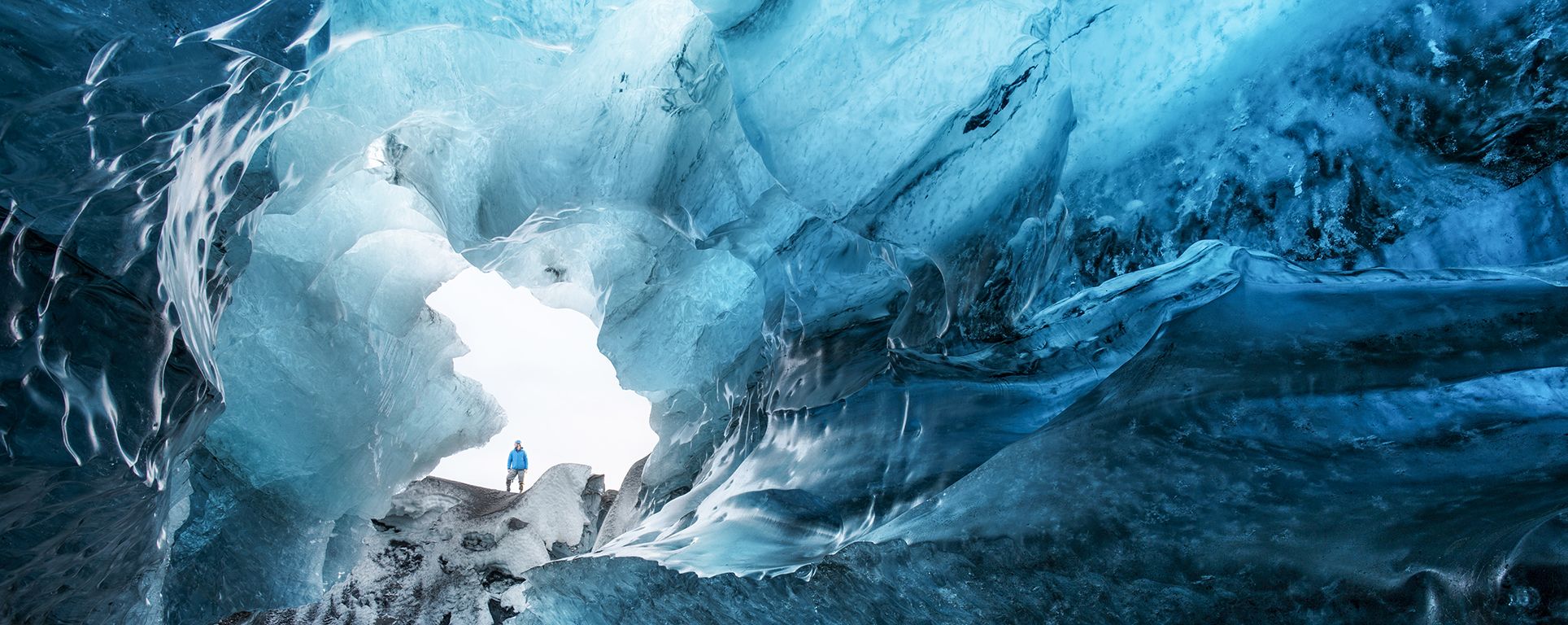
And for a different kind of rush, glacier walks are an exciting option. Don’t worry – the skilled guide will ensure you’re clued up on all the equipment before you venture deep into the ice. Once inside, you’ll find yourself immersed in the profound solitude and tranquillity of the icy wilderness as your guide shares their expert knowledge of local flora, fauna, geology, and glaciology.


