
From the sun-drenched streets of the Mediterranean to the flavourful kitchens in the east, Europe’s gastronomic landscape is ever-evolving. While the old guards like Paris remain legendary, 2026 is the year of the hidden gem and the sustainable plate. For the modern traveller, the perfect trip combines flavour with flair. Think private vineyard tastings and leisurely strolls through walkable foodie cities where the next great meal is always just a few steps away.
Whether you are hunting for the best vegan kebab or a centuries-old recipe, here are the top 10 European cities for foodies this year.

What is the Foodie Capital of Europe in 2026?
According to the MICHELIN Guide, Venice has officially shed its reputation for mediocre tourist menus to claim the title of foodie capital of Europe in 2026. The city is currently witnessing a high-stakes culinary revival, fuelled by the arrival of world-class talent at prestigious venues like the new Four Seasons at the Danieli. This “Lagoon Renaissance” sees traditional Bacari wine bars elevating their Cicchetti offerings from simple snacks to sophisticated, hyper-local masterpieces. By focusing on sustainable catch from the Adriatic and seasonal produce from the Sant’Erasmo gardens, Venice is proving it is a serious contender for the world’s most refined dining destination.
- Must Eat: Sarde in Saor, a centuries-old sweet and sour sardine dish that perfectly captures the city’s spice-trade history.
- Ideal For: Couples seeking a blend of high-end gastronomy and old-world romanticism.
- Cost: £££. Expect luxury prices, though local wine bars still offer excellent value for money.
- Secret Tip: Wander into the Cannaregio district to find “Indie Venice.” It is the city’s last true residential stronghold, where you can drink ombra (local wine) alongside residents away from the main thoroughfares.
Undiscovered Culinary Capitals: The Hidden Gems of 2026
If you want to beat the crowds, look toward these undiscovered culinary capitals. These cities are currently stepping into the international spotlight for their unique heritage and inventive chefs.

Rouen, France: The UNESCO City of Gastronomy
Rouen is the only French city to hold the prestigious UNESCO Creative City of Gastronomy title. Nestled in Normandy, it is a haven for those who love cream, cider, and world-class cheese. The city’s Fête du Ventre (Feast for the Stomach) in October is a mandatory stop for any serious eater.
- What to eat in Rouen like a local: Canard à la Rouennaise (pressed duck) and the famous Neufchâtel cheese.
- Ideal For: Traditionalists and dairy lovers.
- Cost: ££
- Secret Tip: Visit the Marché du Vieux-Marché on a Sunday morning for the freshest oysters from the nearby coast.
Plovdiv, Bulgaria: Ancient Vines and Modern Plates
Plovdiv is one of the world’s oldest inhabited cities, and its wine culture is just as ancient. In 2026, it has become a hotspot for private vineyard tastings featuring indigenous grapes like Mavrud. The Kapana district, also known as the “Trap,” is filled with modern bistros that reinvent Balkan classics.
- Must Eat: Banitsa (cheese pie) paired with a bold, tannic Mavrud red wine.
- Ideal For: Wine connoisseurs and history buffs.
- Cost: £
- Secret Tip: Book a tasting at a small family winery in the Thracian Lowlands; many are still undiscovered by major tour operators.

Gozo, Malta: The Rising Star
For those looking for the “next big thing” before it goes mainstream, Gozo has been officially awarded the title of European Region of Gastronomy 2026 by IGCAT.
- Must Eat: Traditional Ftira (Gozo pizza) with local potatoes and capers, sun-dried tomatoes, and sea salt harvested from the ancient Xwejni pans. Don’t leave without trying Ġbejniet, the island’s signature small discs of sheep’s milk cheese.
- Ideal For: The “slow food” movement that is dominating 2026 travel trends.
- Cost: £
- Secret Tip: Skip the main harbours for a morning and head to a local Band Club (like the one in Ghajnsielem square). These social hubs are the island’s true living rooms; order a Tuna Ftira and a coffee for just a few Euros to experience Gozitan village life.

Edinburgh, Scotland: The New Scottish Larder
Famous for its festivals and history, Edinburgh is also cementing its reputation as a premier culinary destination. The focus is on “New Scottish” cuisine, a movement that celebrates the raw, rugged beauty of the Scottish larder. From the Michelin-starred hubs of Leith to the artisan bistros of Stockbridge, chefs are using foraged ingredients, wild game, and sustainably caught seafood to create sophisticated, seasonal plates.
- What to eat in Edinburgh like a local: A modern seafood platter at The Shore or a traditional “Haggis Tikki”, an inventive fusion dish found in the city’s rising modern Indian scene.
- Ideal For: Travellers who appreciate technical fine dining paired with wild, local ingredients.
- Cost: ££–£££
- Secret Tip: Skip the tourist traps on the Royal Mile and head to the Leith waterfront for lunch.

Walkable Foodie Cities: Weekend Gastronomy Trips Made Easy
For a quick getaway, nothing beats walkable foodie cities where you can hop from one kitchen to the next without needing a taxi. These destinations are perfect for weekend gastronomy trips that prioritise ease and exploration.
Porto and San Sebastian: Pedestrian-Friendly Plates
Porto has emerged as a premier choice for gourmets seeking a more soulful, concentrated culinary experience. The city is a walkable maze of granite alleyways, historic Port lodges, and hidden taverns serving robust northern flavours. Meanwhile, San Sebastian remains the king of the “Pintxo Crawl.” Despite its fame, the quality of its small plates remains unparalleled in 2026, offering a high-density gastronomic experience that is easily explored on foot.

San Sebastian, Spain: The High-Art of the Pintxo Crawl
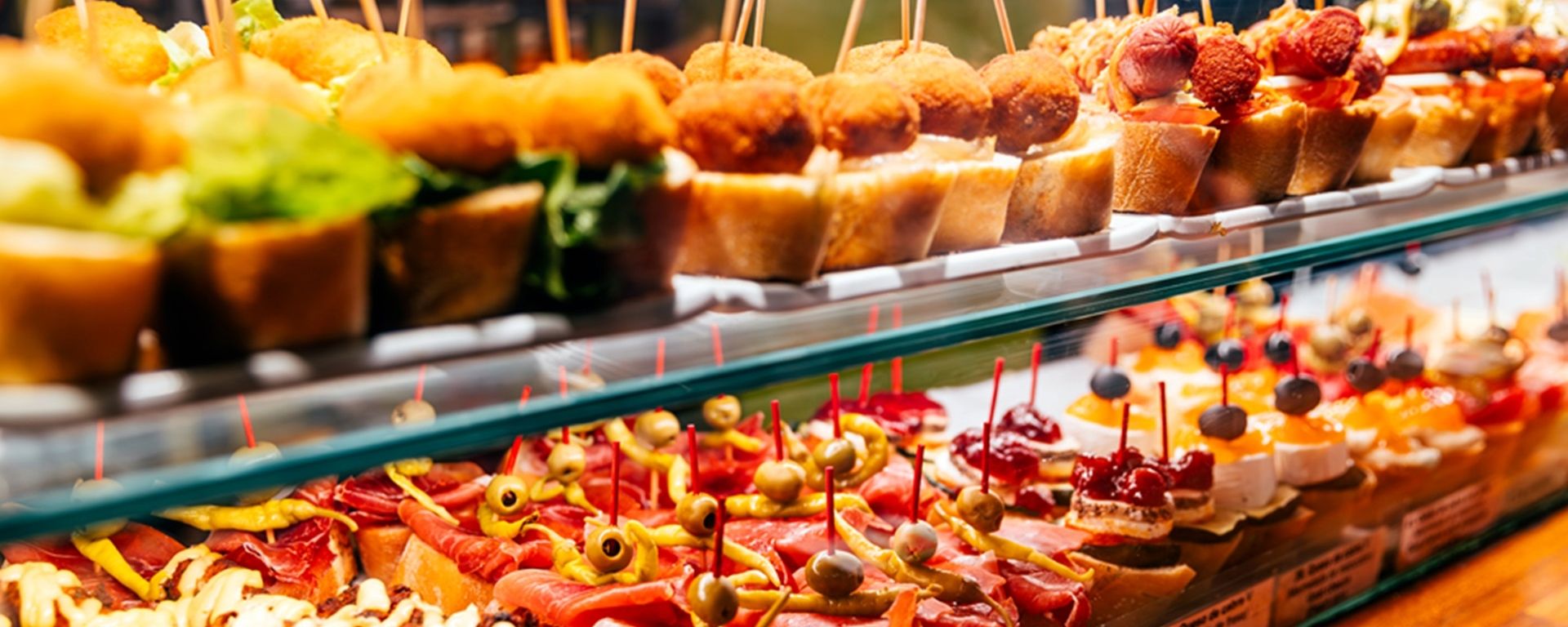
San Sebastian is the global epicentre of Basque gastronomy, famously boasting more Michelin stars per capita than almost anywhere else on Earth. However, its true soul is found in the “txikiteo”; a traditional bar-crawl through the narrow streets of the Parte Vieja (Old Town). Here, you won’t find generic tapas; instead, you’ll encounter pintxos, miniature culinary masterpieces often skewered to a slice of bread with a toothpick. From the classic Gilda (a salty-spicy hit of olive, anchovy, and guindilla pepper) to modernist small plates like slow-cooked beef cheek or spider crab, the city is a living laboratory where even the humblest tavern operates with the precision of a fine-dining kitchen.
- Must Eat: The legendary “Burnt” Basque Cheesecake at La Viña and a charcoal-grilled Txuleta (aged grass-fed steak).
- Ideal For: Travellers who want to experience “New Basque Cuisine” alongside centuries-old maritime traditions.
- Cost: £££. While individual bites are affordable, a full night of grazing and Txakoli (effervescent local white wine) adds up.
- Secret Tip: Don’t call them tapas; locals take great pride in their distinct Basque identity. Also, look for “hot pintxos” written on chalkboards behind the bar. These are made-to-order and often represent the chef’s best work.
Best European Cities for Vegetarians and Vegans
Plant-based dining is no longer an afterthought. If you are looking for the best European cities for vegetarians, look east, where innovation is meeting tradition in unexpected ways.
- Warsaw, Poland: Surprisingly, Warsaw has become one of the most vegan-friendly cities in the world. From plant-based “Schabowy” (schnitzel) to vegan sushi, the creativity here is staggering.
- Berlin, Germany: The long-standing vegan king. Berlin’s Veganes Sommerfest is the largest of its kind in Europe, and the city’s fine-dining scene includes several Michelin-starred vegetarian restaurants.
- Must Eat: Vegan Pierogi in Warsaw; a plant-based Döner Kebab in Berlin.
- Ideal For: Ethical eaters and budget travellers.
- Cost: £–££
- Secret Tip: In Berlin, check out the Neukölln district for the most authentic and affordable plant-based Middle Eastern food.

Where is the Best Street Food in Europe?
From the historic markets of Vienna to the bustling docks of the Bosphorus, street food is the soul of European dining. But where is the best street food in Europe?
- Istanbul, Türkiye: Crossing between Europe and Asia, the street food here, such as Balik Ekmek (fish sandwiches) and Simit (sesame bread), is legendary.
- Vienna, Austria: Beyond the grand cafes, Vienna’s Naschmarkt and the annual European Street Food Festival in September offer everything from gourmet sausages to international fusion.
- Must Eat: İskender Kebap in Istanbul; Käsekrainer (cheese-filled sausage) in Vienna.
- Ideal For: Adventurous eaters on the move.
- Cost: £
- Secret Tip: In Istanbul, take the ferry to Kadıköy on the Asian side for the most authentic street food tour away from the Sultanahmet crowds.
The Top 10 Foodie Cities in Europe, 2026
To recap your ultimate 2026 dining list, these ten cities represent the very best of European gastronomy:
- Edinburgh, Scotland: Renowned for its “New Scottish” cuisine, it blends incredible wild game and seafood with a sophisticated, world-class fine-dining scene in Leith.
- Venice, Italy: The 2026 culinary capital, specialising in lagoon-sourced seafood and elevated wine-bar snacks.
- Gozo, Malta: The official European Region of Gastronomy 2026, celebrated for its farm-to-table ethics.
- Plovdiv, Bulgaria: A must for wine and history-lovers alike.
- Copenhagen, Denmark: The global leader in sustainability and foraging.
- San Sebastian, Spain: Famous for its world-class pintxos.
- Rouen, France: A UNESCO City of Gastronomy and the heart of Normandy’s dairy culture.
- Porto, Portugal: The gateway to the Douro and the capital of Northern Portuguese soul food.
- Warsaw, Poland: A rising star in the global vegan rankings with incredible plant-based innovation.
- Istanbul, Türkiye: The undisputed champion of diverse and historical street food.
Which city has the most Michelin stars in 2026?
While Paris traditionally leads in volume, London and Tokyo (internationally) are close rivals. In 2026, the Dolomites region has seen a massive surge, making it the most star-dense mountain destination for those seeking high-altitude excellence.
Is San Sebastian still the best foodie city?
While cities like Venice and Warsaw are gaining ground, San Sebastian remains the gold standard for high-density quality. It still boasts one of the highest concentrations of Michelin stars per square metre globally.
How do I eat like a local in New Nordic cities?
In cities like Copenhagen or Edinburgh, “eating like a local” means focusing on seasonality and provenance. Look for restaurants that prioritise local foraged ingredients; expect wild garlic, sea buckthorn, and sustainably sourced venison or langoustines.
Bon appétit.