
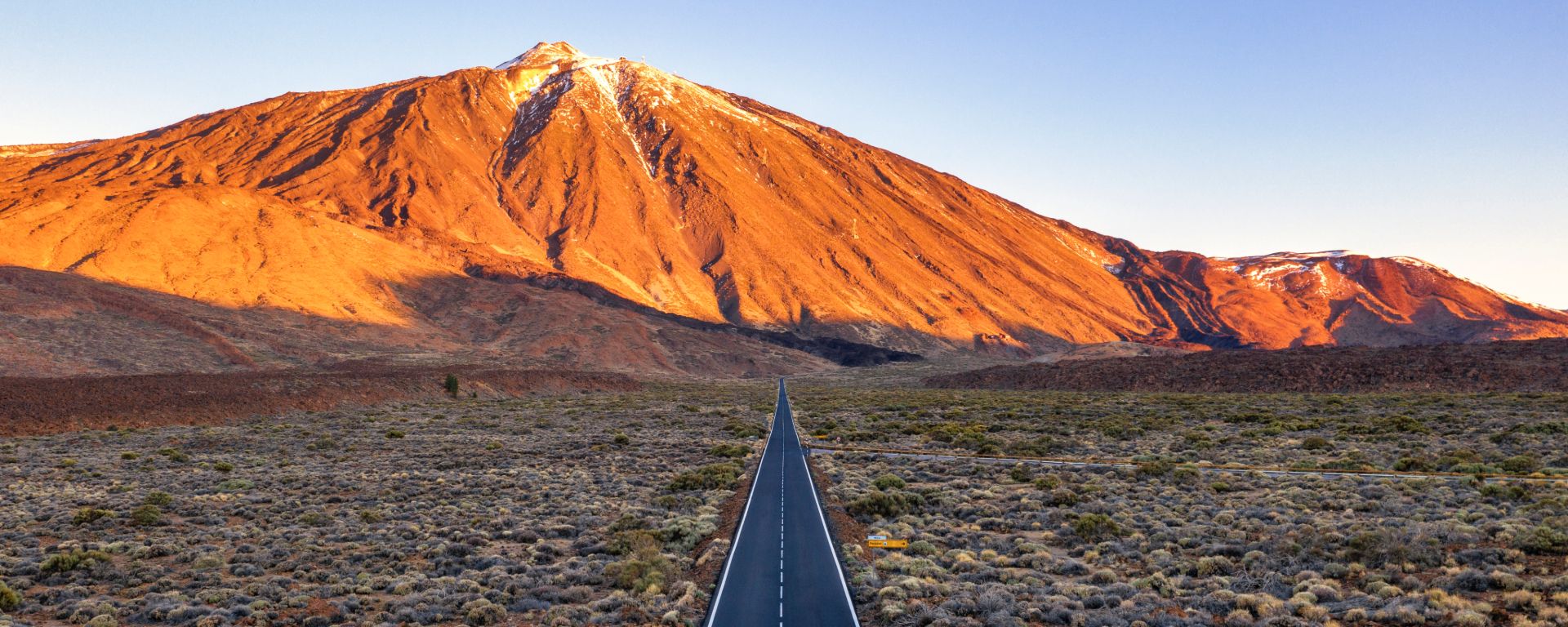
Floating off the northwest coast of Africa, the Canary archipelago is far more than a reliable winter sun sanctuary. It is a diverse collection of dramatic volcanic landscapes, subtropical laurel forests, design-led historic hideaways, and swept-sand Atlantic shores.
So, how many Canary Islands are there? The official count is eight inhabited islands, following the formal recognition of tiny La Graciosa in 2018. Each island possesses a distinct identity, personality, and landscape. Working out which is the best of the Canary Islands comes down to what you crave: Michelin-starred dining nestled beside craters, wind-sculpted sand dunes, or complete off-the-grid escapism. Here is your definitive guide to all eight islands.

1. Tenerife: Vineyards, Valleys & Peaks
Tenerife is an island of rich, captivating dualities. In the pine-forested north, centuries-old vineyards line steep valleys, while the south basks in year-round sunshine alongside calm Atlantic waters. At its heart stands Mount Teide, Spain’s highest peak, surrounded by a surreal lunar landscape that feels worlds away from the coast.
- Best For: stargazing above the cloud line, Michelin-starred gastronomy, and dramatic volcanic landscapes.
- Secret Tip: head to the lush Anaga Rural Park in the northeast to hike through prehistoric laurel forests before dining on fresh lapas (limpets) in the tiny fishing village of Benijo.

2. Lanzarote: Geology & Architecture
Lanzarote feels akin to an open-air modern art gallery crafted by nature and refined by legendary local architect César Manrique. Black lava fields from historic eruptions are punctuated by whitewashed fincas and subterranean lava tubes.
Which Canary Island is best for a luxury boutique hotel stay?
Lanzarote is a premier contender. Restored 18th-century mansions and architecturally restored agricultural estates blend high-end design with quiet, volcanic tranquillity.
- Best For: high-design boutique hideaways, eco-conscious wineries in La Geria, and striking volcanic scenery.
- Secret Tip: skip the main tour buses at Timanfaya and sample Malvasia white wine cultivated in deep basalt pits at El Grifo, Spain’s oldest winery.

3. Gran Canaria: Forests & Dunes
Gran Canaria earns its reputation as a mini-continent thanks to its dramatic climate shifts and topography. You can start your morning hiking through misty pine forests in the mountainous interior, explore the historic cobblestone alleys of Vegueta in Las Palmas, and finish the afternoon floating off golden dunes.
If you are wondering which Canary Island is warmest, the southern coast of Gran Canaria along with southern Tenerife regularly claim top spots for winter warmth, protected from northern Atlantic winds by high central peaks.
- Best For: diverse microclimates, boutique city stays in Las Palmas, and dramatic coastal dunes.
- Secret Tip: venture into the Agaete Valley in the northwest to visit Europe’s only commercial coffee plantations, where beans are cultivated beneath fruit trees.

4. Fuerteventura: Desert Sands & Waves
Fuerteventura is a paradise for ocean lovers and beach aficionados. Characterised by rolling desert dunes and miles of uninterrupted coastline, it offers a laid-back, elemental luxury. The wind-kissed waters attract sailors, windsurfers, and kiteboarders from around the globe, while the interior retains a quiet, rustic charm.
- Best For: white and golden sand beaches, water sports, and tranquil coastal retreats.
- Secret Tip: take a quiet morning drive through the ancient interior capital of Betancuria, nestled in a verdant valley, to sample award-winning local Majorero goat’s cheese.

5. La Palma: Stargazing & Sanctuary
Known affectionately as La Isla Bonita (The Beautiful Island), La Palma is a lush, steep sanctuary for nature lovers. Designated as a UNESCO Starlight Reserve, its high altitude and strict light pollution laws create some of the clearest skies on Earth for stargazing. On the ground, vast Caldera de Taburiente craters and black-sand beaches await discovery.
- Best For: world-class stargazing, waterfall trails, and verdant volcanic hiking.
- Secret Tip: book an evening at the Roque de los Muchachos Observatory, then spend the following day exploring the magical fern-draped trails of Los Tilos forest.

6. La Gomera: Wellness & Nature
Just a short ferry ride from Tenerife, La Gomera feels like stepping into a gentler, forgotten era. Terraced ravines tumble down to rocky coves, and the mist-shrouded Garajonay National Park preserves an ancient forest ecosystem. The island’s terrain is so dramatic that locals historically developed Silbo Gomero, a whistled language used to communicate across deep canyons.
- Best For: off-the-beaten-track hiking, wellness retreats, and authentic Canarian heritage.
- Secret Tip: stay in a traditional cliffside estate in Hermigua, where microclimates nurture banana groves and spectacular sea views toward Teide.

7. El Hierro: Lava Pools & Sustainability
Which is the quietest Canary Island? El Hierro wins that title hands down. As the smallest and furthest south-western island, El Hierro is a model of eco-sustainability, powered almost entirely by renewable energy. There are no high-rise resorts or bustling strips here: just lava pools, twisting juniper trees bent double by the wind, and world-renowned marine reserves.
- Best For: Eco-luxury, solitude, marine life observation, and volcanic diving.
- Secret Tip: Dip into the natural ocean pool of La Maceta in the El Golfo valley, protected from open ocean swells by natural volcanic rock barriers.

8. La Graciosa: Digital Detox
Technically, it’s been there for millennia, but it was officially recognised as a Canary Island in 2018. Separated from Lanzarote by a narrow strait known as El Río, La Graciosa is the ultimate low-tech sanctuary. There are no paved roads on the island: only soft yellow dirt tracks, bicycle paths, and secluded turquoise bays. It offers an effortless pace of life where time slows down to the rhythm of the tides.
- Best For: a total digital detox, pristine uncrowded beaches, and sea kayaking.
- Secret Tip: rent a mountain bike in Caleta de Sebo and ride to Playa de las Conchas, an idyllic, isolated beach facing uninhabited islets.
Canary Islands Calling? Plan Your Escape
Knowing when to visit the Canary Islands for the best weather and fewer crowds makes all the difference when crafting an unforgettable trip. While the archipelago enjoys a famous “eternal spring” climate year-round, the sweet spots fall between September and November, as well as April to June. During these shoulder seasons, the ocean is warm, rainfall is rare, and you can enjoy high-end hideaways and boutique estates without peak summer or mid-winter crowds.
Find outrageously bookable Canary Island deals on package holidays and hotels at Secret Escapes.


