
While the sapphire waters of the Adriatic aren’t technically a hidden gem, the true soul of a Croatian itinerary lies far beyond the crowded cruise terminals. For travellers who prefer world-class local delicacies over overpriced beach clubs and tourist hotspots, this insider guide unveils quiet corners, rich culinary secrets, and pristine coastlines.
Whether you are scouting the best places to visit in July for couples or simply trying to avoid being swamped by tour groups in Dubrovnik, here is how to experience Croatia like an insider.
What are the best months to visit Croatia for good weather and fewer crowds?
Timing is everything when planning a Mediterranean escape. May, June, September, and October are unquestionably the best months to visit Croatia for good weather and fewer crowds.
During these shoulder months, sea temperatures remain delightfully warm for swimming, whilst daytime temperatures hover around 22°C to 26°C. You will dodge the intense midsummer heat and the peak July and August holiday rushes, allowing you to explore historic old towns, national parks, and coastal bays in peace.
Istria: The Gourmet Heart of Northern Croatia
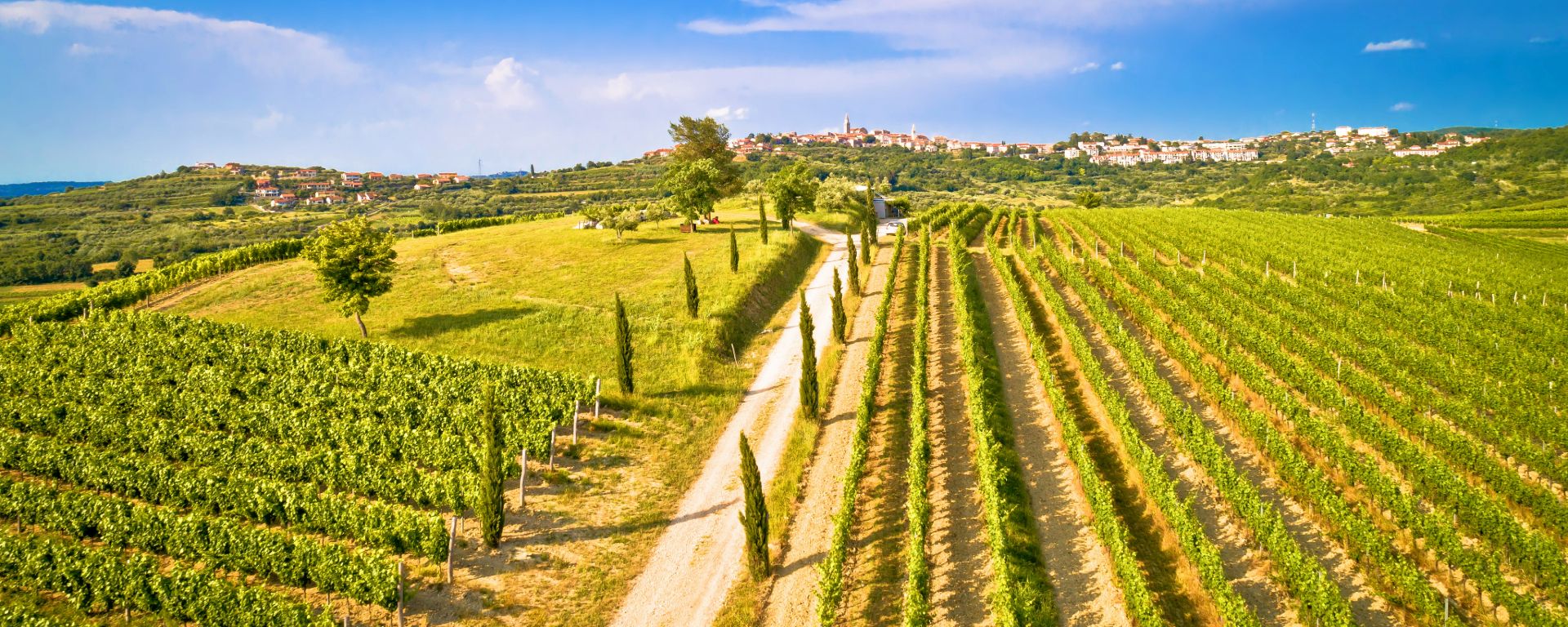
Often compared to Tuscany, the Istrian peninsula is an essential stop for food lovers. Away from the coastal bustle of Rovinj, the hilltop towns of the interior offer a sensory journey through oak forests and centuries-old olive groves.

Truffle Hunting in Western Croatia
In the dense Motovun Forest, the damp earth hides Croatia’s famous black and white gold. Truffle hunting here is a ritual best experienced alongside a local family and their expertly trained dogs. In summer, you will hunt for aromatic black truffles, whilst autumn and winter bring the prized white truffle.
Best For: Couples seeking a unique adventure followed by a world-class rustic lunch.
Secret Tip: The dogs do all the actual work; you just provide the belly rubs. Afterwards, seek out handmade fuži pasta, which is piled high with truffle shavings. Yum.
Olive Oil Tasting in Southern Croatia
Further south lies Vodnjan, a quiet town that has become a global epicentre for premium olive oil. Local producers offer single-varietal oils with notes of artichoke, wild herbs, and fresh-cut grass that completely redefine the ingredient.
Best For: Refining your palate (and ruining supermarket olive oil forever).
Secret Tip: Pop into the Church of St Blaise to see the “Mummies of Vodnjan.” It’s an odd, slightly macabre detour that provides an excellent palate cleanser between oil flights.
Coastal Gems & Island Hopping in Croatia
When people imagine coastal Croatia, they often picture packed party ports. However, island hopping in Croatia is best enjoyed by seeking out tranquil retreats, quiet fishing villages, and pristine archipelagos.

What are the top attractions to visit in Croatia?
Beyond the classic city walls of Dubrovnik and Split, the top attractions to visit in Croatia include:
- Plitvice Lakes & Krka National Parks: Cascading turquoise waterfalls surrounded by lush greenery.
- The Roman Amphitheatre in Pula: One of the best-preserved Roman arenas in the world.
- Diocletian’s Palace in Split: A living Roman monument filled with shops, bars, and subterranean vaults.
- The Elafiti Islands: A peaceful, vehicle-free island chain near Dubrovnik.
What are the must-visit places along the Dalmatian coast in Croatia?
If you are planning a road trip or coastal cruise, the must-visit places along the Dalmatian coast in Croatia include:
- The Makarska Riviera: Dramatic limestone peaks dropping straight into crystal-clear waters.
- Stari Grad (Hvar): UNESCO-protected, laid-back, and historic, far removed from the noise of Hvar Town.
- Vis Island: A remote refuge that served as a secret military base until 1989, keeping it undeveloped and unspoiled.
- Korčula Town: Known as “Little Dubrovnik,” rich in medieval stone architecture and local Grk wine cellars.
Finding Secret Bays: Are there sandy beaches in Croatia?
Most visitors expect pebble shores, leading many to ask: are there sandy beaches in Croatia? Yes, whilst pebble beaches predominate, Croatia boasts beautiful natural sand shores if you know where to look.

What are some hidden or less crowded beaches in Croatia?
To escape the crowds, seek out these hidden or less crowded beaches in Croatia:
- Sakarun Beach (Dugi Otok): A rare Caribbean-like bay featuring soft white sand, shallow turquoise water, and pine shade.
- Stiniva Cove (Vis): A dramatic bay hidden behind two towering stone cliffs. The steep hike down keeps casual crowds away.
- Lumbarda (Korčula): Home to Vela Pržina, a picturesque natural sandy beach bordered by vineyards.
- Dubovica Bay (Hvar): A peaceful pebble cove with a secluded stone hamlet, ideal for an uninterrupted afternoon swim.
Culinary Culture: Traditional Croatian Dishes
Understanding local food culture is essential for an authentic experience. Croatian cooking is deeply tied to regional microclimates and centuries of trade.
Traditional Croatian Dishes to Try
- Peka: Tender meat or octopus slow-roasted with vegetables under a heavy iron bell (čripnja) covered in hot embers.
- Crni Rižot (Black Risotto): Rich squid ink risotto flavoured with garlic, wine, and fresh seafood.
- Pašticada: A festive Dalmatian beef stew marinated in red wine and figs, served with homemade gnocchi.
- Boškarin: Gourmet Istrian longhorn cattle beef, typically served with handmade pasta or truffles.
Croatian cuisine
So, how does Croatian cuisine differ from other Mediterranean cuisines? Whilst it shares core ingredients with Italian and Greek cooking, such as olive oil, fresh garlic, and wild herbs, Croatian gastronomy is uniquely shaped by a cultural crossroads. Coastal Dalmatia heavily mirrors Venetian seafood traditions, relying on wood-fire grilling (na gradele) and simple sea salt seasoning.
Inland regions, however, blend these Mediterranean roots with Central European, Austro-Hungarian, and Ottoman influences. This results in heartier dishes featuring paprika, lard, slow-roasted meats, and cured hams (pršut) that you rarely find on standard Italian or Greek menus.
Konoba vs Restaurant
Understanding the Konoba concept is your route to authentic Croatian dining:
- Konoba: A rustic, family-run tavern focused on traditional regional recipes, hyper-local ingredients, and warm hospitality.
- Restaurant: A formal dining establishment serving international or modern fusion menus.
Secret tip: Always choose a Konoba for authentic seafood. If Peka is on the menu, order it at least three hours in advance as it requires slow ember roasting.

Essential Travel Logistics
Ferry vs Private Charter
- Ferries & Catamarans: Reliable and affordable, though tied to strict timetables and summer queues.
- Private Charter: The ideal option for tailored luxury. A private motorboat lets you explore hidden coves at your own pace, skipping peak morning crowds.
FAQs
What is the difference between a Konoba and a Restaurant in Croatia?
A Konoba is a traditional, rustic tavern focused on local heritage recipes and home-style cooking. A restaurant offers formal dining and standard international menus.
Is Hvar too crowded for couples in the summer?
Only if you stay in Hvar Town. Towns like Stari Grad and Jelsa offer serene harbour settings, fine dining, and easy access to quiet bays.

Discover Secret Escapes’ Handpicked Croatia Deals
Enjoy a visit to Croatia and its stunning shores with Secret Escapes’ handpicked luxury hotel deals. From historic old town boutiques in Dubrovnik to luxury coastal retreats along the Dalmatian coast, plan the holiday of your dreams at unmissable prices.
Discover our exclusive Croatia hotel and package holiday deals today or explore the Escapist magazine for more inspiring destinations.