
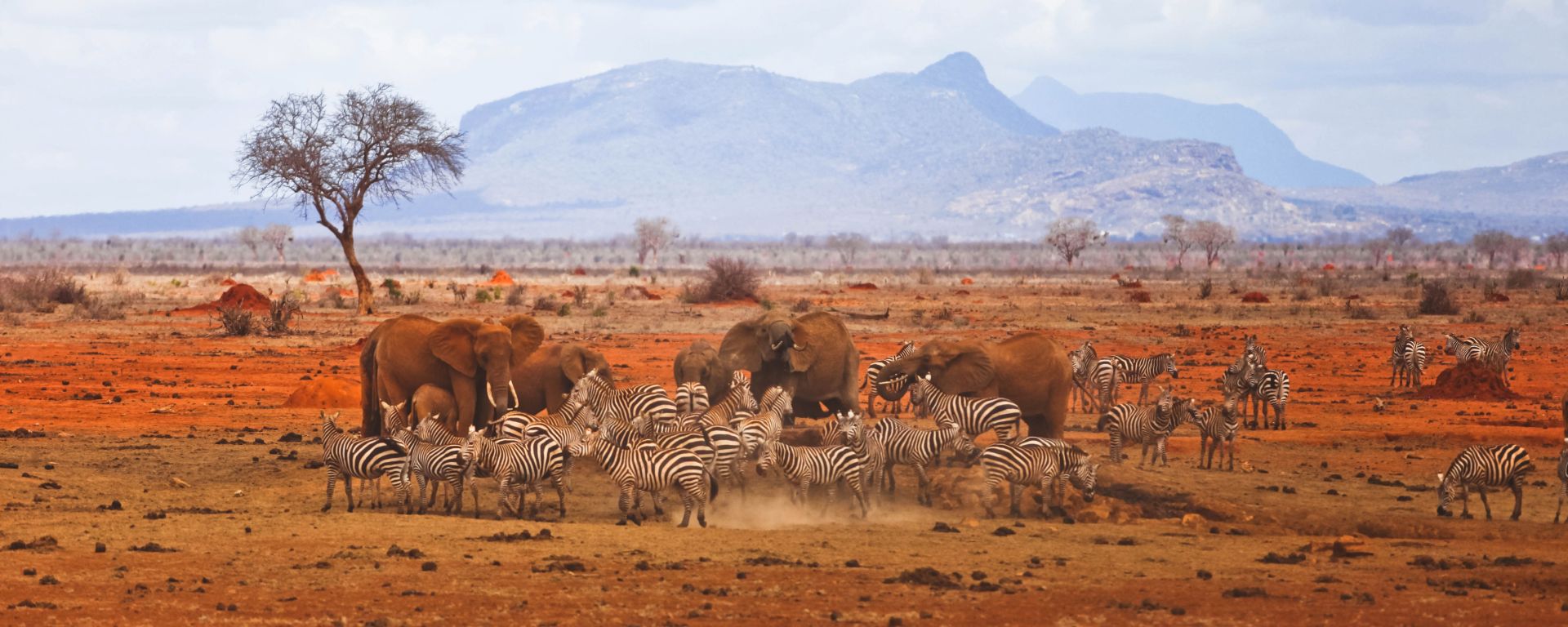
There’s a safari, and then there’s an African safari. It is the ultimate bucket-list item every traveller hopes to experience at least once in their life. Whether you are chasing the thunderous drama of the Great Migration across East Africa or sipping local wine alongside the granite boulders of South Africa’s Sabi Sands, an escape like this delivers memories that last a lifetime. But planning a journey across these vast plains requires a touch of insider knowledge.
Here is our secret guide to navigating three of the top safari spots: Kenya, Tanzania, and South Africa.

The Best Safari Journeys in East & Southern Africa
The Best Safari in Kenya
The conversation usually begins with the famous Maasai Mara. However, the true secret to an effortless Kenyan escape lies in combining classic reserve highlights with private conservancies.
Private conservancies such as those bordering the Mara or scattered across the rugged Laikipia Plateau offer low vehicle density, off-road tracking rights, and moonlight game drives that national parks simply cannot match. Beyond the big cats, head south to Tsavo East to witness its distinctive, mane-less lions roaming ancient volcanic terrain, or visit Amboseli for iconic shots of free-roaming pachyderms against Mount Kilimanjaro’s snow-capped peak.
- Best For: Unrivalled predator tracking, exclusive private conservancies, and seamless combinations with Indian Ocean beach breaks.
- Secret Tip: Pair your time in the bush with a few nights on the powder-white sands of Diani Beach. Secret Escapes offers hand-picked Kenya safari and beach packages that handle every flight, light-aircraft transfer, and coastal resort detail for you.

The Best Safari in Tanzania
If Kenya excels in dramatic intimacy, Tanzania delivers sheer, sweeping scale. Deciding on the best safari in Tanzania takes you along the legendary Northern Circuit, by the crater lakes of Arusha, the plains of Tarangire, the UNESCO-listed Ngorongoro Crater, and the endless plains of the Serengeti.

For those seeking a quieter, off-the-beaten-track sanctuary, look towards southern Tanzania’s Nyerere National Park (formerly Selous Game Reserve). Here, winding waterways replace dusty roads, giving you the rare opportunity to track hippos, crocodiles, and African wild dogs from the tranquil vantage point of a riverboat.
- Best For: Dramatic volcanic landscapes, massive elephant herds, and uninterrupted wilderness expanses.
- Secret Tip: Don’t limit yourself to vehicle drives; a morning boat safari along the Rufiji River in Nyerere reveals a completely different, water-eye perspective of African wildlife.

The Ultimate Safari in South Africa
South Africa brings a distinct flavour of luxury to the wild, where wildlife encounters meet world-class food and wine. Greater Kruger and private reserves like Sabi Sands and Thornybush are globally renowned for off-road “Big Five” tracking and some of the most reliable leopard sightings on the continent.
If you are after malaria-free wilderness, skip the crowds and head to the rugged, red-sand plains of Tswalu Kalahari, or the pristine Madikwe Game Reserve near the Botswana border. Here, rare pangolins, brown hyenas, and thriving cheetah coalitions roam across dramatic, sun-scorched terrains.
- Best For: High-density Big Five sightings, malaria-free family options, and sophisticated food and wine culture.
- Secret Tip: Pair a Greater Kruger bush lodge with a few days exploring the Winelands of Franschhoek and the dramatically scenic coastal Garden Route for the ultimate South African road-and-paddocks trip.

Timing the Wild: Planning for the Seasons and Weather
| Season | Months | Highlights | Conditions |
| Calving Season | January – March | High predator activity in southern Serengeti & Ndutu | Warm, green plains with newborn wildebeest calves |
| Green Season | April – May | Lower rates, lush scenery, zero crowds | Heavy rains, ideal for birdwatching and photography |
| River Crossings | June – October | Great Migration Mara River crossings | Dry season, sparse foliage, prime wildlife visibility |
| Short Rains | November – December | Emerald plains reborn, migratory birds arrive | Light afternoon showers, fresh and mild climate |
The Best Time to Visit a Kenya Safari
Determining the best time to visit Kenya safari camps depends on your appetite for drama versus tranquillity. The peak dry season runs from July to October, when foliage thins and wildlife congregates around shrinking waterholes, making animals exceptionally easy to spot. This window also brings the Great Migration into the Maasai Mara.
However, the “Green Season” (November to March) is Kenya’s best-kept secret. Brief afternoon showers transform the savannah into an emerald paradise, migrant birds arrive in their thousands, and newborn animals test their legs—all accompanied by vastly reduced crowd numbers.
- Best For: High-visibility game viewing in late summer, or lush photography and birding during the green months.
- Secret Tip: Book during shoulder months, November or early December, to enjoy mild weather, lower rates, and exclusive wildlife sightings.
The Best Time for a Safari in Tanzania
Selecting the best time for safari in Tanzania involves matching your dates with seasonal wildlife movements. The long dry season from June to October brings optimal game-viewing conditions across the country, with pleasant temperatures and clear skies.
If you want to witness the circle of life in full swing, plan your visit between January and March. In the southern Serengeti and Ndutu regions, half a million wildebeest calves are born within a matter of weeks, drawing eager predators and creating unbelievable wildlife encounters.
- Best For: Year-round game drives, birthing spectacles, and pristine weather.
- Secret Tip: Combine a southern circuit safari in early spring with a tropical unwind on Zanzibar’s spice-scented beaches for the ultimate double-header vacation.
The Golden Window in Tanzania
The big question. When is the best time for a Great Migration luxury safari in Tanzania?
- July to September: The river-crossing season in the northern Serengeti. Watch as hundreds of thousands of wildebeest brave crocodile-infested waters along the Mara River.
- January to March: The calving season in Ndutu and the southern Serengeti. Expect vast herds stretched across green horizons, accompanied by intense lion and cheetah activity.
- Best For: Witnessing nature’s most dramatic wildlife movement from luxury tented camps.
- Secret Tip: Choose a mobile tented camp that moves twice a year following the migration path so you are always in the centre of the action.

The African Safari: Where to Stay?
Where to Stay in Kenya for Safaris
Working out where to stay in Kenya for safaris comes down to balancing characterful accommodation with authentic bush wilderness.
1. Private Tented Camps in the Maasai Mara Conservancies
Opt for boutique canvas camps situated within private conservancies. Elevated wooden decks, freestanding copper bathtubs, and personal butler service mean you sacrifice zero comfort while staying immersively close to nature.
- Best For: Uncompromising boutique luxury, eco-conscious design, and private game drives.
- Secret Tip: Take advantage of an optional hot-air balloon flight at dawn over the Mara, concluding with a champagne breakfast served right on the open savannah.
2. Eco-Lodges of Amboseli and Tsavo
Set against dramatic mountain backdrop vistas, eco-lodges in Amboseli and Tsavo combine traditional African architecture with modern sustainability. Open-air lounge areas let you spot wildlife sipping at nearby waterholes while you enjoy your morning espresso.
- Best For: Panoramic scenery, historic heritage, and prime elephant viewing.
- Secret Tip: Choose lodges situated inside private sanctuaries adjacent to national park borders for the best balance of tranquillity and easy park access.
Best Safari Lodges in Tanzania
The best safari lodges in Tanzania turn simple overnight stays into sensory masterpieces, pairing fine dining and overflowing pools with spectacular wilderness views.
1. Serengeti Glamping & Tented Lodges
In the heart of Serengeti National Park and surrounding areas like Lake Natron and Loliondo, luxury glamping camps offer king-sized beds, en-suite bathrooms, and private verandas. You bed down in ultimate style while listening to distant lion calls beneath a canopy of stars.
- Best For: Front-row seats to the Great Migration and atmospheric luxury under canvas.
- Secret Tip: Look out for Secret Escapes packages that bundle private transfers, expert local guides, full-board accommodation, and flights into one single stress-free itinerary.
2. Crater Rim and Lake Manyara Retreats
Perched high on the edge of the Ngorongoro Crater or set in the lush mahogany forests of Lake Manyara, these properties offer cool mountain breezes and jaw-dropping views. Modern design elements blend with locally sourced woodwork to create warm, inviting sanctuaries after a long day in the jeep.
- Best For: Dramatic topography, cooler evening temperatures, and birdwatching.
- Secret Tip: Book a stay that includes an early morning crater floor descent to catch the wildlife before the midday sun hits.

Outstanding Safari Lodges in South Africa
The best safari lodges in South Africa set the global gold standard for bush hospitality, where plunge pools and wine cellars live in perfect harmony with untamed bushland.
1. Sabi Sands & Greater Kruger Private Reserves
Bordering Kruger National Park with no fences in between, private reserves like Sabi Sands and Thornybush feature architectural marvels, think glass-walled suites suspended over dry riverbeds and sunken fire pits for nocturnal storytelling.
- Best For: Exceptional Big Five game viewing, world-class fine dining, and spa treatments between drives.
- Secret Tip: Look for lodges that offer night drives with thermal-imaging equipment to glimpse elusive nocturnal hunters like leopards and civets.
Sustainable Luxury Safari Operators in East Africa & Beyond
True luxury today is thoughtful, low-impact, and community-focused. Selecting sustainable luxury safari operators ensures your trip directly contributes to wildlife conservation and local community development.
- Solar-Powered Camps: Leading operators across Kenya, Tanzania, and South Africa now run completely on solar energy, utilising smart water-harvesting systems and zero single-use plastics.
- Community-Led Conservancies: By staying in partner conservancies, your booking fees go directly to local Maasai, Samburu, or Shangaan landowners, funding schools, medical clinics, and sustainable livestock management.
- Conservation & Anti-Poaching Partnerships: Top-tier operators actively sponsor ranger patrols, wildlife research groups, and rhino sanctuary projects across the region.
What to Pack for a Luxury Safari in East Africa in 2026
Knowing what to pack for a safari is the key to travelling light, stylishly and most importantly, practically. Bush flights between national parks operate on small aircraft with strict luggage limits (usually 15 kg per person in soft-sided, duffel-style bags).
Save this essential Bush packing list:
- Neutral Layering: Lightweight linen shirts, breath-easy trousers, and a warm fleece or down jacket for cold morning game drives. Stick to khaki, tan, and olive hues. Avoid navy and black (which attract tsetse flies).
- High-Quality Binoculars: A dedicated 8×42 or 10×42 pair brings distant leopard sightings into crisp focus.
- Sun & Bug Protection: Broad-spectrum reef-safe sunscreen, a wide-brimmed hat, polarised sunglasses, and reliable insect repellent.
- Footwear: Comfortable, breathable trail shoes or short hiking boots suitable for walking safaris.
- Tech Gear: A high-capacity power bank, universal multi-adapter plug, and spare memory cards for endless photo ops.
Frequently Asked Questions
How many days do I need for a combined Kenya and Tanzania safari?
To experience both countries without feeling rushed, aim for 10 to 14 days. A 10 or 14-night safari package holiday gives you ample time to explore 3 to 4 key wildlife parks (such as Amboseli, the Maasai Mara, and the Serengeti) before rounding off your trip with a few days of relaxation on the beaches of Mombasa or Zanzibar.
What is the best time of year for a Great Migration luxury safari in Tanzania?
The river-crossing season in the northern Serengeti peaks between July and September. For the calving season in the southern Serengeti and Ndutu, plan your visit between January and March.
Ready to Embrace Your Wild Side?
Whether you dream of waking up in a luxury canvas tent overlooking the Serengeti plains, tracking big cats in South Africa’s Sabi Sands, or looking forward to sipping cocktails on a white-sand beach after a week in the bush, Secret Escapes’ safari package holidays are bucket-list approved.
For more travel advice and inspiration, deep dive further into the Escapist magazine or get in touch for more information.


