
Southeast Asia is a dream holiday destination for many, home to tropical climates, delicious food, rich history, incredible architecture, and budget-friendly prices. Cambodia and Vietnam are two must-see locations in this region, combining the best of vibrant city living, relaxing coastal stays, and grounding nature escapes. However, their varying climates make it important to know the best time to visit to make the most of your trip.
In this expert travel guide, we’ll break down Cambodia and Vietnam’s respective monthly climates so you can figure out when to plan your adventure.

Cambodia’s Monthly Climate
Located in mainland Southeast Asia, Cambodia is a stunning landscape of low-lying plains, mountains, beautiful coastlines, and rich history. Thanks to its tropical location, the country is blessed with a straightforward two-season climate, making it easier to plan your trip accordingly.
Monsoon Season: May – October
Cambodia’s wet season, brought by the southwest monsoon, runs from May to October and is characterised by high temperatures and humidity, as well as short, heavy afternoon showers. The downpour is most intense between July and September, causing flooding in some areas.
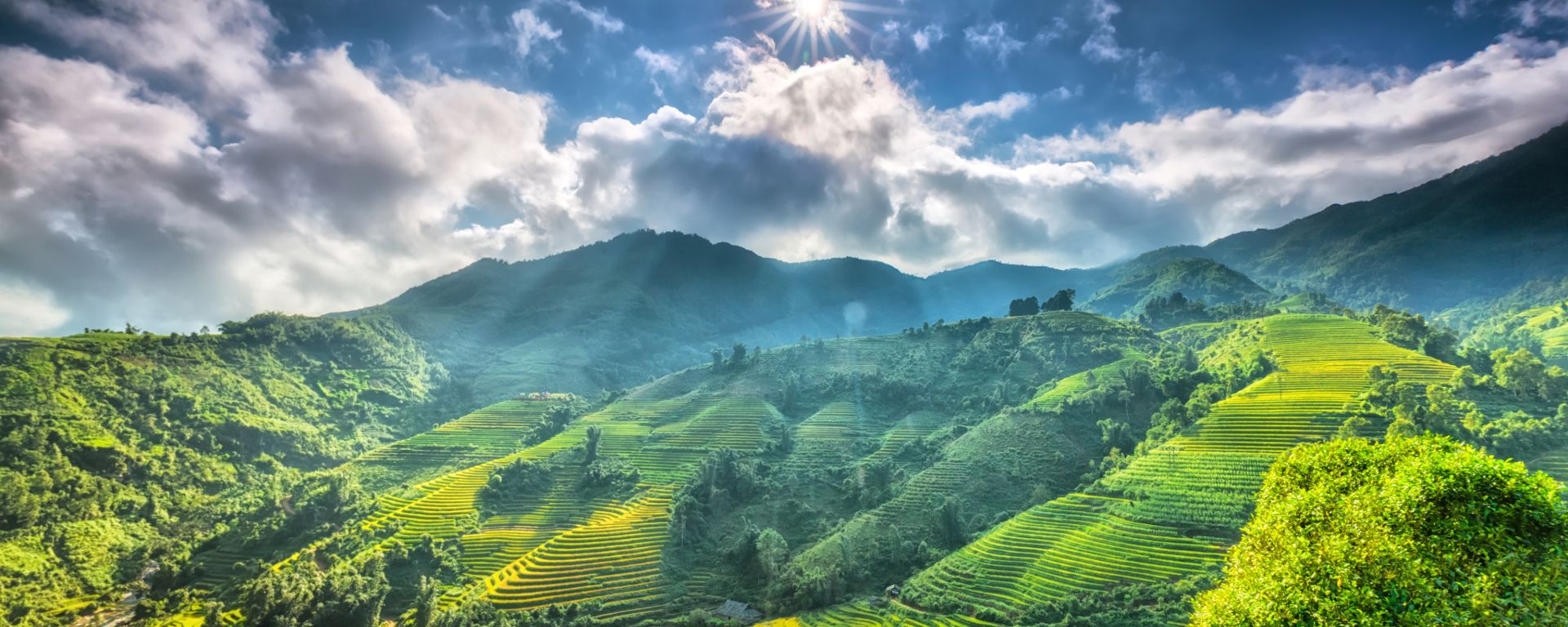
It is also referred to as the ‘green season’, as the heavy rain also offers lush landscapes, verdant countryside and the chance to see vibrant rice paddies. Monsoon season is an ideal time to visit Cambodia for travellers seeking fewer tourist crowds and lower prices. Take a boat ride to Kampong Phluk, a floating village, to see the colourful stilt houses that sit above the water. Glide through the floating markets to buy local food and souvenirs, and visit the submerged mangrove forests.
Dry Season: November – April
The dry season typically runs from November to April and offers the best weather, with temperatures ranging from 21ºC to 32ºC from December to February and 35ºC to 40ºC in March and April. This is a great time to travel for those seeking to get away from the cold during wintertime, though be warned that it is also peak season, which means more tourists and higher prices.
Make sure to visit Angkor Wat, a Theravada Buddhist temple complex and the largest religious monument in the world. Featured on the country’s flag, this UNESCO World Heritage site is located in the Angkor Archaeological Park along with over 1000 temples – the perfect spot for temple trekking.

When’s the Best Time to Visit Cambodia?
The best time to visit Cambodia depends on the type of experience you’re looking for; for a coastal getaway, travel between November and February to avoid the extreme weather conditions of both the dry and monsoon seasons. Although this may mean bigger crowds and a surge in prices, you’ll be able to enjoy consistently pleasant weather, perfect for sightseeing and lounging on the beach.
We recommend travelling during the rainy season to benefit from fewer crowds, lower prices, and more picturesque scenery. The intense showers often only last a couple of hours and are followed by clear skies and light clouds – many days experience little to no rain at all! You’ll be able to explore iconic sites without long waiting times, and if you travel during the end of the monsoon season, between October and November, you’ll experience Cambodia’s Bon Om Touk, the water festival marking the end of the wet season.
Vietnam’s Monthly Climate
Vietnam is a bucket-list travel destination for many and for good reason; it’s home to bustling cities, idyllic beaches, rich culture and history, and breathtaking landscapes. The country caters to a wide range of travellers, from budget backpackers to honeymooners and spring breakers. Its tropical location means that the climate varies significantly by region and month, which is why it’s important to know when to visit to make the most of your trip.

Northern Vietnam
North Vietnam is home to the capital of Hanoi, Hai Phong, and historical locations, such as Ha Long City. Unlike the rest of the country, it has a distinct four-season subtropical climate: winters (December to February), springs (March to May), summers (June to August), and autumns (September to November), which can be split into dry and wet seasons.
Wet Season: May – September
Wet season in the north takes place between May and September and is characterised by hot and humid weather reaching as high as 25ºC to 35ºC with intense afternoon rainfall and thunderstorms. There’s a peak period of heavy rainfall between July and August, with the risk of landslides and fog in mountainous areas. During this time, coastal areas, such as Halong Bay, are prone to typhoons, which can lead to boat tour cancellations.
Despite the wet conditions, the temperature remains warm, and landscapes are in full bloom, perfect for hikers and nature lovers. Spend the day trekking in Ba Be National Park, a reserve in Bắc Kạn Province home to a rich ecosystem with limestone cliffs and waterfalls, a glistening lake and evergreen forests.
Dry Season: November – April
North Vietnam’s dry season runs from November to April, with cooler temperatures between 10ºC and 20ºC in winter and warmer weather in spring, ranging from low to mid-20ºC. The drier, milder weather usually attracts more tourists and price surges, especially with the Lunar New Year ‘Tet’ festival in early January/late February.

Central Vietnam
Central Vietnam, home to Hoi An, a UNESCO World Heritage site known for its lantern-lit Old Town and countless postcard coastal cities, boasts a tropical monsoon climate with a hot, dry season and a wet season.
Wet Season: September – December
Running from September to December, Central Vietnam’s wet season is the most intense in the whole country, experiencing heavy rainfall with risks of typhoons and storms. Expect humid, warm weather, ranging from 20ºC to 30ºC, with risks of flooding in some areas.
Despite the wetter weather, the temperature remains warm, and the smaller crowds make it easier for indoor activities like cafe-hopping, visiting museums, and even enjoying spa treatments.
Dry Season: February – August
Central Vietnam’s dry (and peak) season runs from February to August, offering the hottest and driest weather, frequently reaching 35ºC to 40ºC, especially from April to June. The weather is ideal for those seeking beach activities and coastal tourism. Major regional festivals also take place during this season, namely the Hue Festival, which spans over several months to celebrate Vietnam’s art and culture with street parties, parades, performances, and royal rituals.
Southern Vietnam
Home to the renowned Ho Chi Minh City and Mekong Delta, South Vietnam also experiences a tropical climate with two distinct seasons and consistently high temperatures.
Wet Season: May – October
Southern Vietnam’s wet season is driven by the southwest monsoon and runs from May to October. The temperature remains high, around 27ºC to 32ºC, with high humidity and short, heavy bursts of afternoon rain. June, July, and August are typically the wettest months, and some cities experience a risk of flash flooding.
If you’re willing to brave the rain, you’ll benefit from the low season’s fewer crowds, lower prices, and verdant landscapes.
Dry Season: November – April
The dry season runs from November to April and offers the best weather for travelling with low humidity, clear skies, and consistent sunshine. Temperatures range between 23ºC and 38ºC throughout the whole season – perfect for those seeking some Christmas sun. Make the most of the beautiful weather to visit the region’s crystal-blue beaches and island hop.

When’s the Best Time to Visit Vietnam?
The best time to go to Vietnam depends on the region you’re visiting and the type of trip you’re looking to experience. For a sun-soaked coastal getaway, visit any region during the dry season to make the most of the hot weather, picturesque beaches, warm waters, and regional festivals. To avoid large crowds, travel during the rainy seasons, being careful to plan your escape around the months with peak rainfall and typhoon risks. You can also travel during the shoulder months (in between either season) to avoid the extreme weather conditions and tourist crowds.
Explore the Best of Southeast Asia with Secret Escapes’ Deals
Cross more dream destinations from your travel bucket list without breaking the bank with Secret Escapes’ incredible deals on Southeast Asia holidays. Our offers allow you to experience ‘pinch yourself’ getaways at affordable prices. Browse our winter sun holiday and long-haul package holiday to find your next tropical getaway.
For more travel advice and inspiration, deep dive further into the Escapist magazine, or get in touch for more information on our outrageously bookable deals.